

Where We Are Supposed to Be
We often spend our entire lives learning where we are supposed to be and what we are supposed to do.
We are taught what it means to think rightly about God, what commands we are to follow, what good we are supposed to do, what fruit we are supposed to bear, and what maturity is supposed to look like. We learn what healthy relationships are supposed to look like, how we are supposed to relate to ourselves and others, and increasingly, what healing is supposed to look like. We learn, often for good reason, to notice the places where our lives fall short of what we believe they should be and where we long to get to for ourselves, God, or others. Yet even our attempts to grow, heal, and become more whole can become another measure of whether we are doing well enough.
But what happens when we become so accustomed to looking toward where we are supposed to be that we have little room to notice or have permission for where we actually are? What happens when our first response to discovering where we actually are is dismissal, disapproval, or immediate correction?
What if we have learned to evaluate before we understand, to judge before we have context, and to change before we have had the opportunity to know ourselves?
The pressure created by this way of relating to ourselves can become a burden that crushes our ability to move. We may begin to lose confidence that we have any power in our own lives when our primary experience of ourselves is discovering what needs to be fixed.
But perhaps there is another way.
Perhaps we need room to tell the truth about where we are before we decide where we need to go.
When Being Found Feels Dangerous
This alternate route of noticing and revealing where we are can be extraordinarily difficult when we believe we are not where we are supposed to be.
We discover fear and immediately try to eliminate it. We discover anger and decide it shouldn’t be there. We recognize a survival strategy and condemn ourselves for not having transcended it. We encounter grief, doubt, longing, or limitation and immediately begin searching for how to make it different.
A question can arise in our body: What will happen if I’m discovered here?
We begin to cycle through the risk of being found and the risk of revealing.
What will others think if I am afraid? How will their view of me change if they knew I didn’t know what to do? What happens if I don’t want to do what I’m supposed to want to do? If I struggle in the same place for years, will they make harsh conclusions about my character? Am I allowed to be exhausted, needy, doubtful, resistant, or discouraged and still belong?
We begin to worry that where we are means something bad about who we are.
And this fear, lingering in our bodies, doesn’t typically lead to more honesty. Instead, alarm bells begin to ring, and we reach for our trusty armor. We hide what we can, run from what we cannot tolerate, and go on an immediate correction mission when any tidbits leak out and become visible.
When we move quickly to protect ourselves from being seen, we may also lose access to information about ourselves. The armor does what it is designed to do; it helps us get away from the discomfort of being exposed. But it can also make it difficult to stay close enough to what we are experiencing to understand it. We may never discover what the fear is connected to, what the anger is trying to tell us, what the exhaustion is asking of us, or what makes receiving care feel so difficult. We become so focused on getting out of the uncomfortable place that we miss the opportunity to learn what it is like to be there.
What Becomes Possible When We Make Room
When we don’t immediately move into correction, something else becomes possible; we can become curious about what we have discovered.
We may notice not only that we are afraid, angry, exhausted, or resistant, but what it is like to be seen in that place. We may begin to recognize what vulnerability feels like in our bodies, what we believe visibility will cost us, and whether we can receive care without first becoming more acceptable.
This kind of noticing doesn’t mean everything we discover should remain unchanged. It gives us information from which we can begin to discern what actually needs to happen next. We may discover that what we thought needed to be eliminated needs to be understood first. We may discover that something we have condemned in ourselves developed for a reason. Something we have called weakness is actually exhaustion, or that our resistance is protecting something we have not yet understood.
Perhaps this is part of what it means to know ourselves: not simply knowing what needs to change, but becoming familiar enough with where we actually are. Then, our next step can come from understanding rather than urgency.
We may still discover that something needs to change. We may still need to grow, repair, or move in a different direction. But perhaps we do not have to demand movement before we have allowed ourselves to understand the place from which we are moving.
Perhaps telling the truth about where we are is not a departure from growth, but part of how we grow. We do not have to pretend that where we are is where we are meant to stay. We may simply need enough room to be honest about where we are and enough safety to discover that being found there does not mean we have been abandoned by God, by others, or even by ourselves.
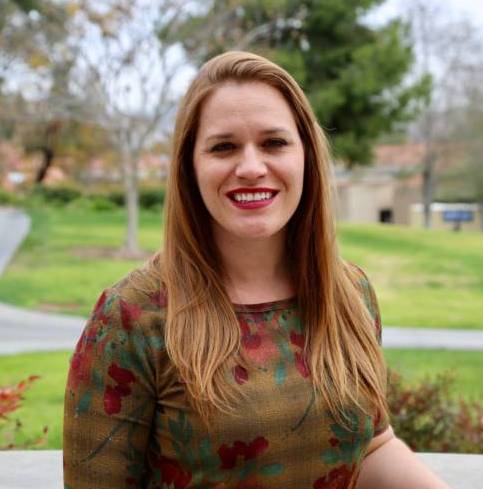 Written by: Becca Cline
Online Counseling Team
becca@restorationcounselingatl.com, ext. 156
Becca wants to help you navigate the unexpected, make meaningful changes, and ultimately feel better. Becca works with adult men and women who may appear successful on the outside but feel unfulfilled, stuck, or struggling in the areas that matter most. Sometimes life looks fine — even good — and still doesn’t feel quite right. She offers a supportive, non-judgmental space to explore what’s beneath the surface. Whether you’re navigating unwanted behaviors or symptoms, enduring loss or transition, or working through past wounds, relationship challenges, or spiritual questions, she will work with you to bring clarity, healing, and a deeper sense of connection — to yourself, to God, and to others.